
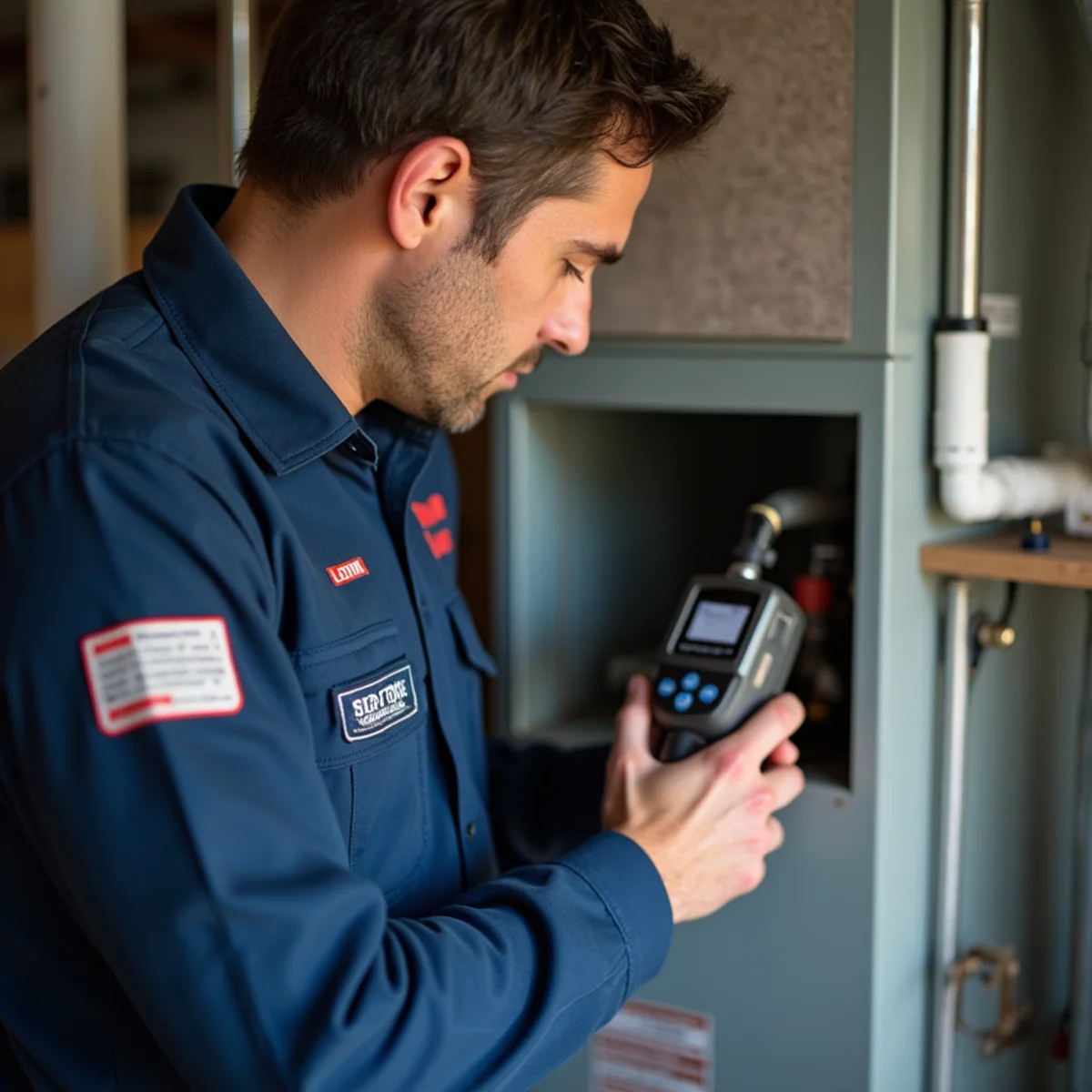
Carbon monoxide (CO) is a colorless, odorless, tasteless gas produced by incomplete combustion in fuel-burning heating systems, including natural gas, propane, and fuel oil furnaces and boilers. In Delaware County homes, the primary sources of dangerous furnace CO leaks are cracked primary heat exchangers, disconnected or rusted metal chimney flue pipes, bird nests blocking exterior PVC vent terminations, and inadequate combustion air in closed utility basements. Regular combustion analysis and UL-listed CO detectors are vital life-safety measures.
As winter temperatures force windows and doors shut across Broomall, Norristown, and Media, heating safety should be every homeowner’s top priority.
How a Cracked Heat Exchanger Leaks Deadly Gas
In a forced-air furnace, the combustion process occurs inside a sealed metal heat exchanger chamber. The indoor air that circulates through your bedrooms passes over the outside of this metal chamber to absorb warmth without ever touching combustion exhaust.
Over 15 to 20 years of intense heating cycles, the metal expands and contracts hundreds of thousands of times. If airflow was restricted by dirty filters or oversized burners, thermal stress creates microscopic cracks along stamped seams. When the circulating blower fan kicks on, high pressure forces exhaust fumes — containing carbon monoxide — directly into your living spaces.
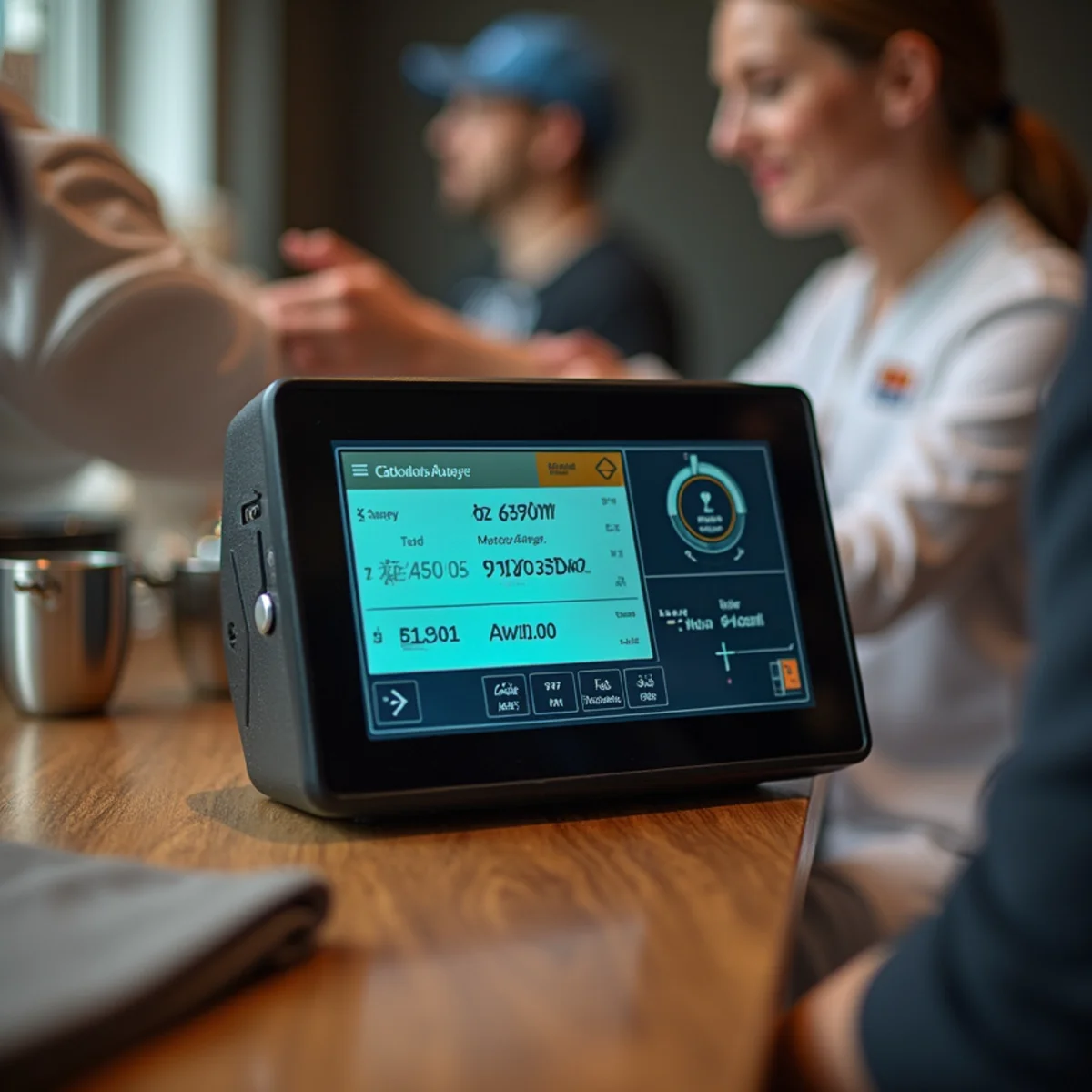
Warning Signs of a Heating Combustion Problem
- Yellow or Flickering Burner Flame: Natural gas should burn with a crisp, stable blue flame. A lazy yellow or orange flame indicates incomplete combustion and elevated CO production.
- Soot Streaks Around Furnace Panels: Black soot marks on the exterior of the furnace cabinet or water heater draft hood mean exhaust gases are backdrafting into the basement.
- Unexplained Flu-Like Symptoms: Headaches, dizziness, nausea, and fatigue that improve when you leave the house and return when you stay home.
- Excessive Window Condensation: Burning gas produces water vapor. If moisture is backdrafting into the living space, windows may fog up heavily.
What to Do if Your CO Alarm Sounds
Do not open windows to "air out the house" before evacuating. Immediately get all family members and pets outside into fresh air. Call 911 and PECO from your mobile phone. Let firefighters inspect with calibrated gas meters before re-entering.
Need emergency heating or AC repair in Broomall?
Dispatchers are on call 24 hours a day to send an insured technician to your home.
Schedule an Annual Heating Safety Inspection
Our technicians utilize specialized fiber-optic cameras and digital combustion analyzers to test heat exchanger integrity. Learn more on our furnace repair page or call (321) 478-0693.