
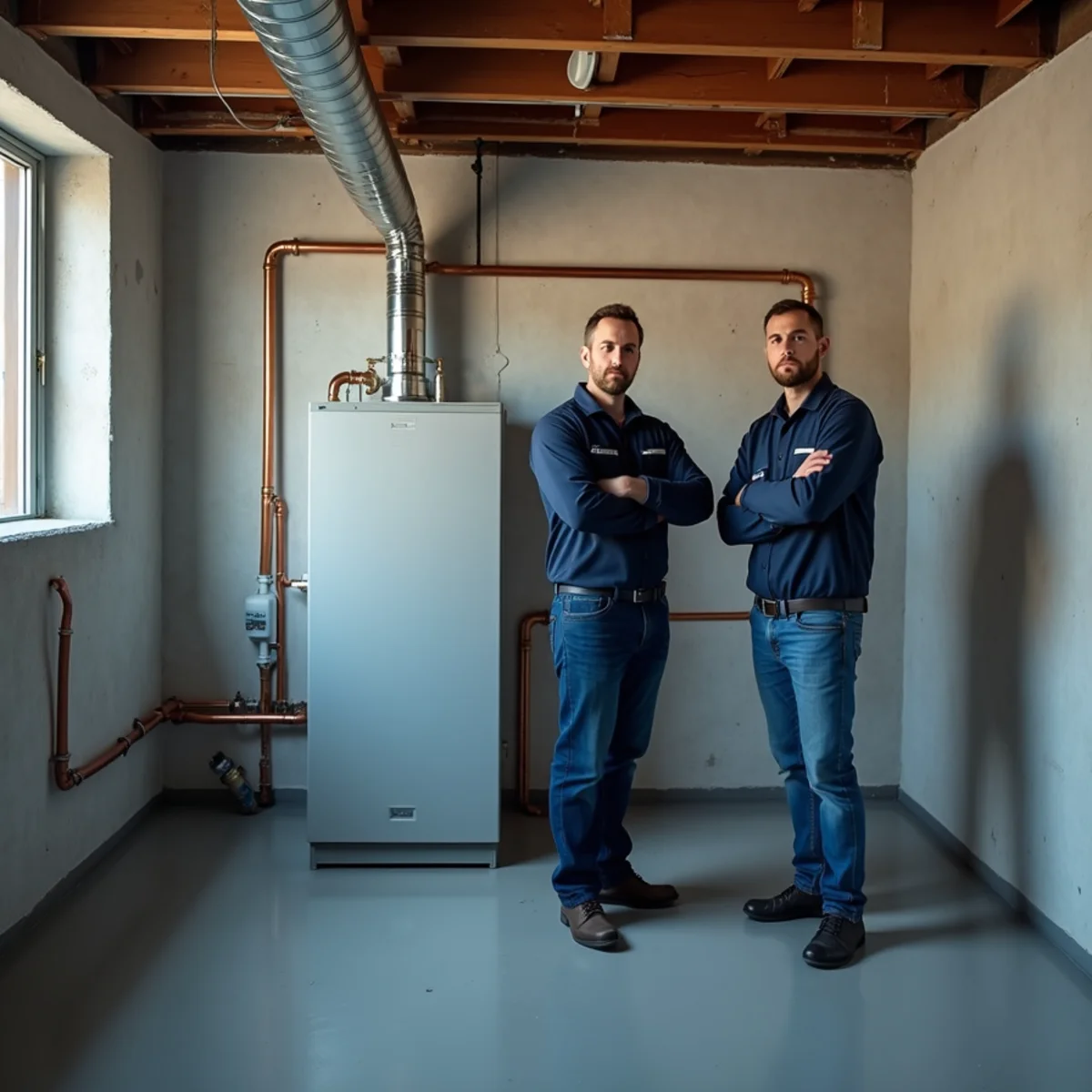
An oil-to-gas conversion in Delaware County involves four distinct phases: applying for a gas service line connection from PECO, removing or decommissioning your indoor or underground oil tank, installing a modern 95%+ high-efficiency natural gas furnace or boiler, and installing a stainless steel chimney liner or direct-vent PVC exhaust pipe. Total project costs typically range from $7,500 to $14,000, with fuel savings and eliminated delivery contracts generating a typical payback period of 5 to 8 years.
Throughout older communities like Havertown, Broomall, Wayne, and Media, thousands of homes continue to heat with heating oil. However, rising fuel prices, the threat of aging tank leaks, and the convenience of automated utility gas make conversion one of the most popular home upgrades in southeastern Pennsylvania.
Before deciding whether to convert, homeowners must evaluate street gas availability, chimney flue conditions, and equipment sizing. At Littlejohn Air Pros, our network of insured contractors helps homeowners navigate every phase of the transition with upfront, flat-rate pricing.
The 4 Steps of an Oil-to-Gas Conversion in Delaware County
Transitioning from oil to natural gas requires coordinating utility engineering, municipal mechanical permits, and professional HVAC installation:
- PECO Gas Availability & Meter Installation: Contact PECO Energy to verify an active gas main runs directly in front of your property. If available, PECO runs an underground service lateral pipe from the street main to your exterior foundation and installs a gas meter.
- Heating Equipment Selection (Boiler vs. Furnace): If your home has radiators or baseboards, you will replace your oil boiler with a high-efficiency gas boiler. If you have ductwork, you will install a modulating 96%+ AFUE gas furnace.
- Oil Tank Decommissioning: Aboveground basement tanks (typically 275 gallons) are pumped out, cut into manageable sections, and removed for steel recycling. Buried underground tanks must be tested for soil contamination and either excavated or abandoned in place with inert foam per Pennsylvania DEP guidelines.
- Venting & Chimney Liner Installation: High-efficiency condensing units vent cool exhaust gases directly through an outside wall via two-pipe PVC. If installing a standard-efficiency 80% unit that vents into an existing masonry chimney, code requires installing a certified stainless-steel chimney liner.
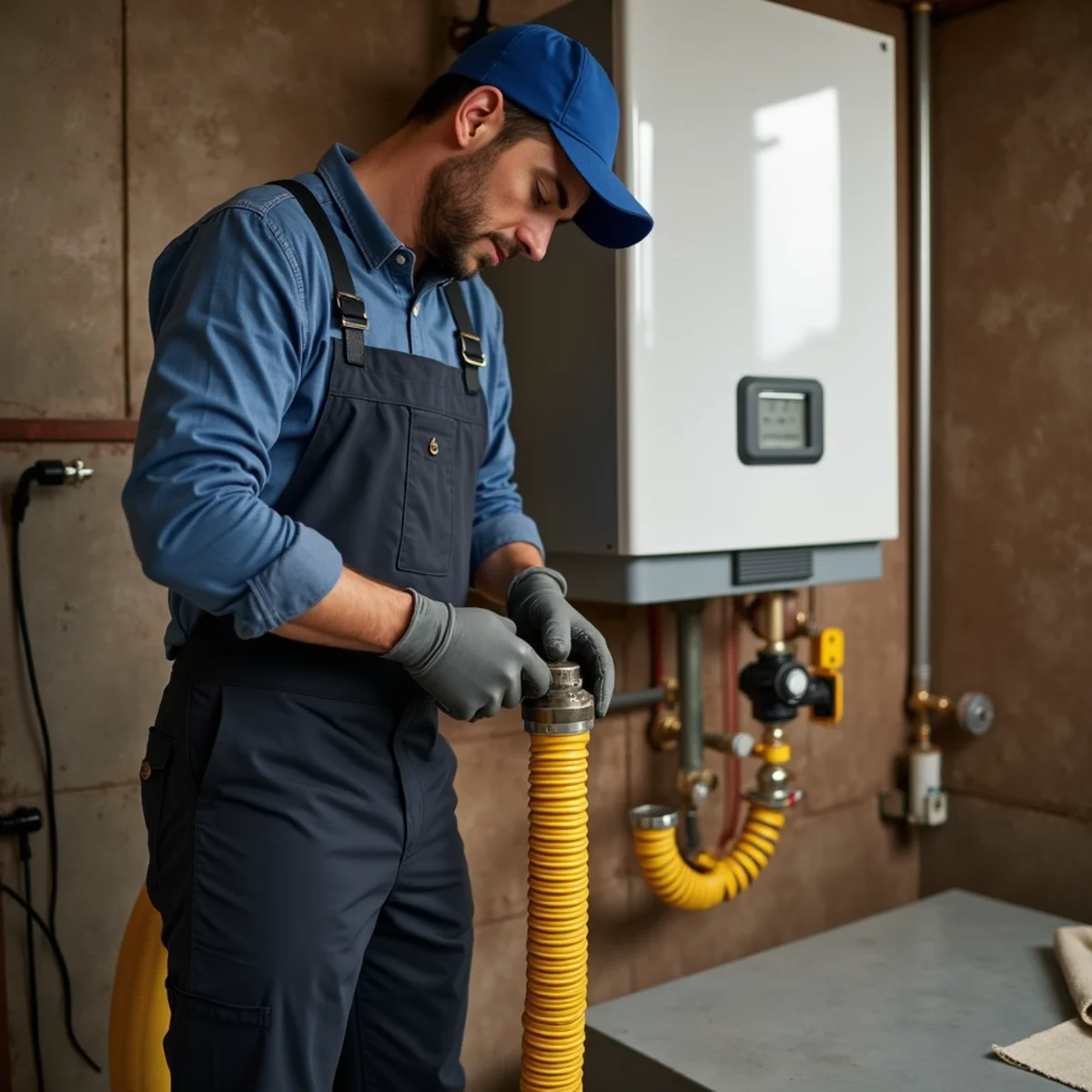
Cost Breakdown: Utility Connection, Equipment, Tank Removal & Flue Work
Because every property requires a tailored mechanical plan, overall conversion investments vary based on existing chimney condition and tank location. Here is an itemized breakdown of typical Delaware County project expenses:
| Project Component | Typical Price Range | Key Variables & Code Requirements |
|---|---|---|
| PECO Gas Service Lateral & Meter | $0 to $2,500 | Often free or deeply discounted if customer converts primary heating source |
| New High-Efficiency Gas Furnace (96%+) | $4,500 to $7,500 | Includes removal of old warm-air furnace, electrical hookup, and PVC direct venting |
| New High-Efficiency Gas Boiler (85–95%+) | $6,500 to $11,000 | Includes circulator pumps, zone controls, backflow preventer, and expansion tank |
| Basement Oil Tank Removal (275 gal) | $500 to $1,200 | Pumping residual fuel sludge, cutting tank, municipal disposal documentation |
| Underground Oil Tank Removal | $1,800 to $4,500+ | Soil core sampling, excavation, tank disposal, backfill, and PA DEP compliance |
| Stainless Steel Chimney Flue Liner | $1,200 to $2,500 | Mandatory for 80% AFUE equipment venting into clay-tile masonry chimneys |
Need emergency heating or AC repair in Broomall?
Dispatchers are on call 24 hours a day to send an insured technician to your home.
When Does Converting to Gas Make Financial Sense?
An oil-to-gas conversion delivers the strongest return on investment when your current oil equipment is nearing the end of its useful lifespan (15+ years) or when an aging fuel oil tank raises homeowner insurance concerns. Sinking thousands into a new oil burner or tank replacement rarely makes long-term sense when natural gas lines are accessible at the curb.
By combining lower per-therm natural gas rates with high-efficiency 95%+ condensing equipment, Delaware County homeowners routinely save between $800 and $1,500 each winter in heating fuel costs alone. In addition, you permanently eliminate annual oil delivery contracts, emergency delivery surcharges, and the persistent anxiety of running out of fuel during heavy February blizzards.
For comprehensive replacement details and equipment options, explore our complete HVAC installation guide or call (321) 478-0693 to speak with a heating specialist.
Underground vs. Aboveground Tank Regulations in Pennsylvania
In communities across southeastern Pennsylvania, environmental liability surrounding legacy heating oil tanks is a significant consideration when buying or selling a home. While aboveground basement tanks present minimal environmental risk, buried underground storage tanks (USTs) installed in the 1950s and 1960s are constructed of bare carbon steel that corrodes after 20 to 30 years in damp soil.
A leaking underground oil tank can contaminate surrounding groundwater and soil, resulting in remediation costs that run into tens of thousands of dollars. Most mortgage lenders and title insurance companies in Pennsylvania require underground tanks to be either professionally removed or certified decommissioned with soil testing before approving property sales. Decommissioning your tank during an HVAC conversion eliminates this liability once and for all.